전치된 풍경
Paysage Dépaysé
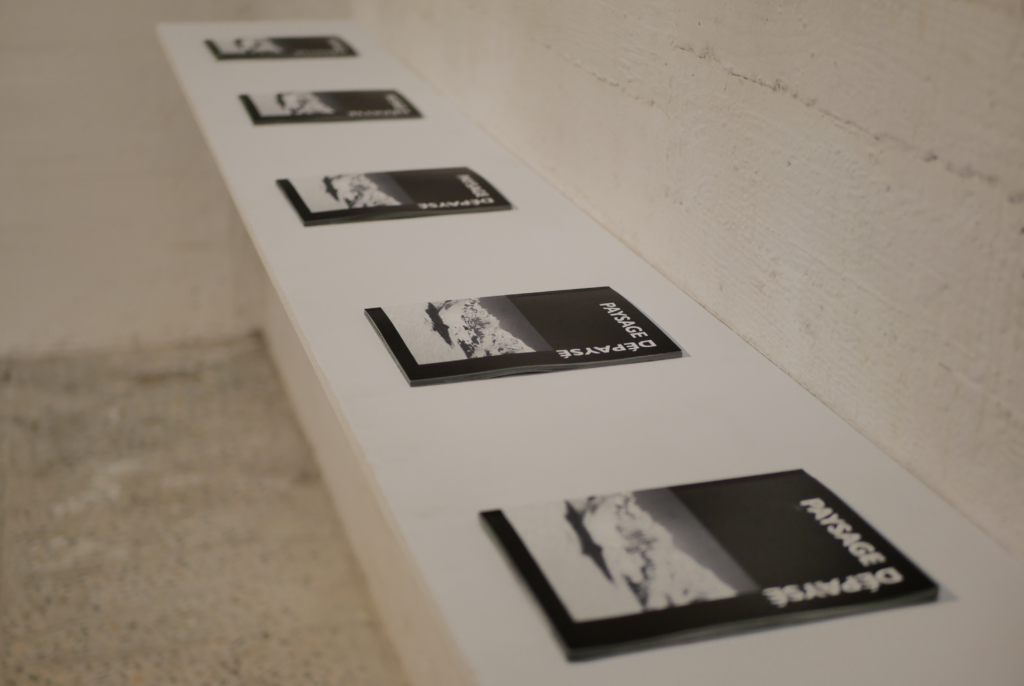
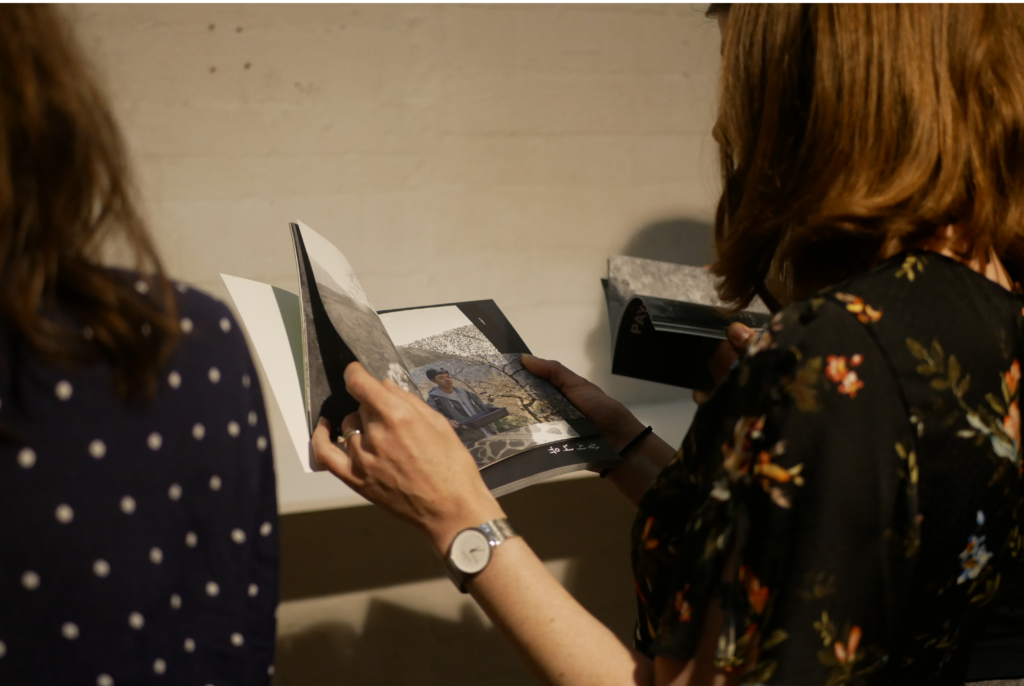
Edition|15×19.6cm (54pages)|2017
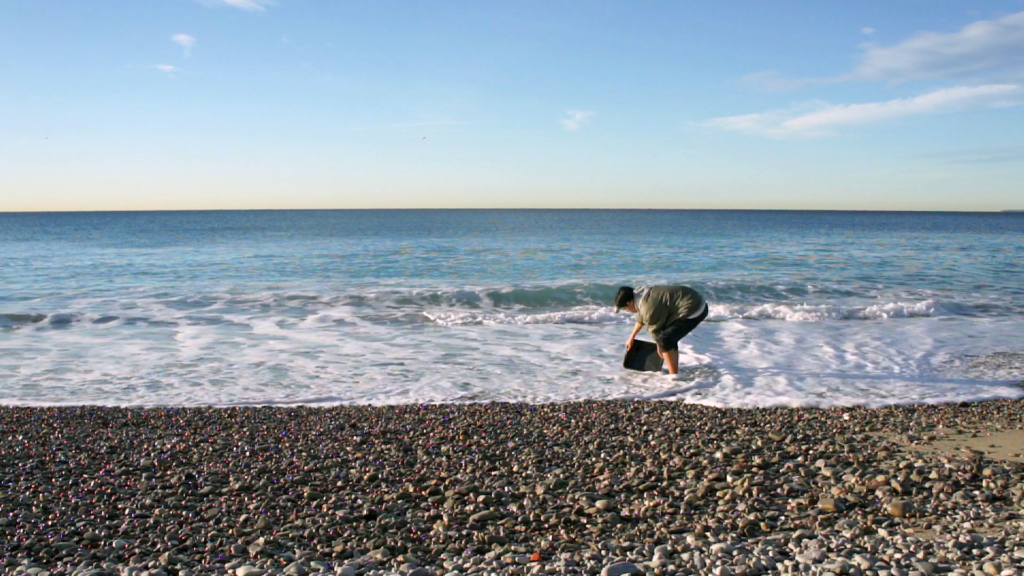
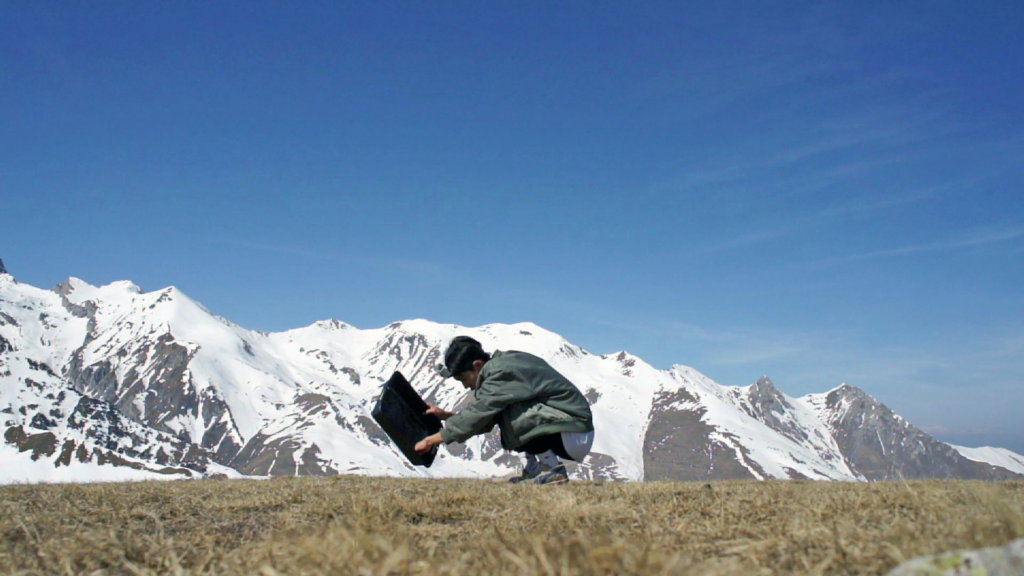
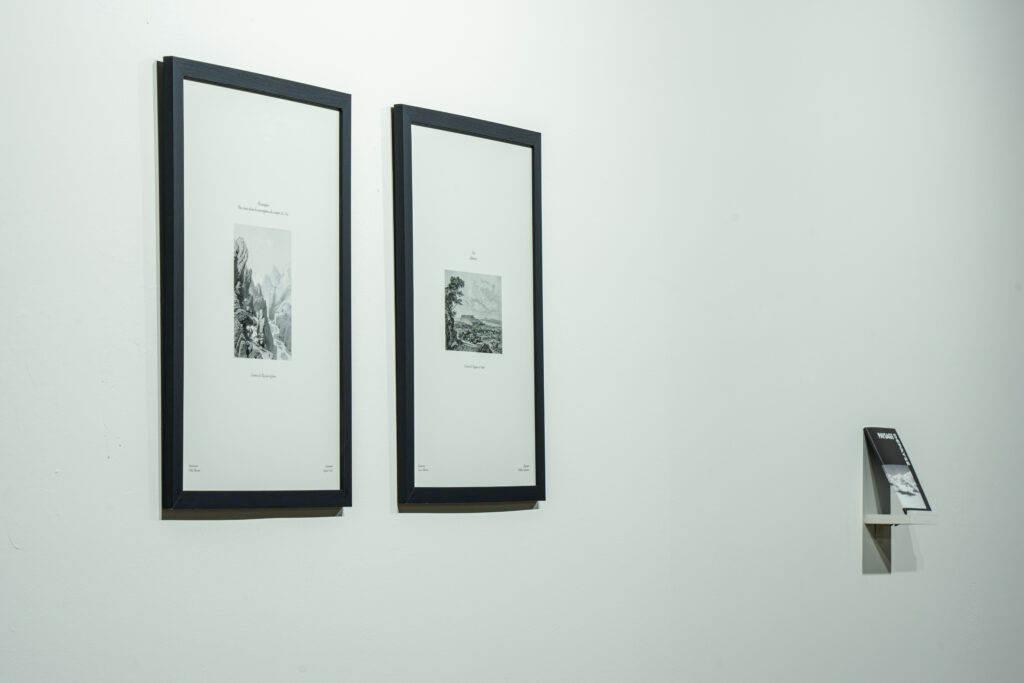
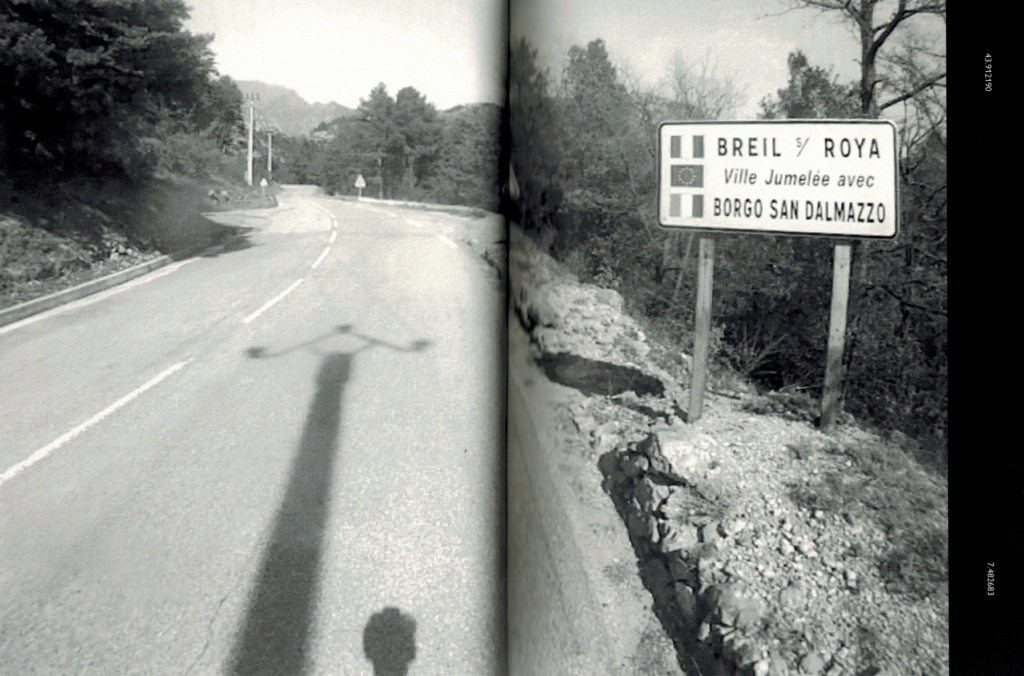
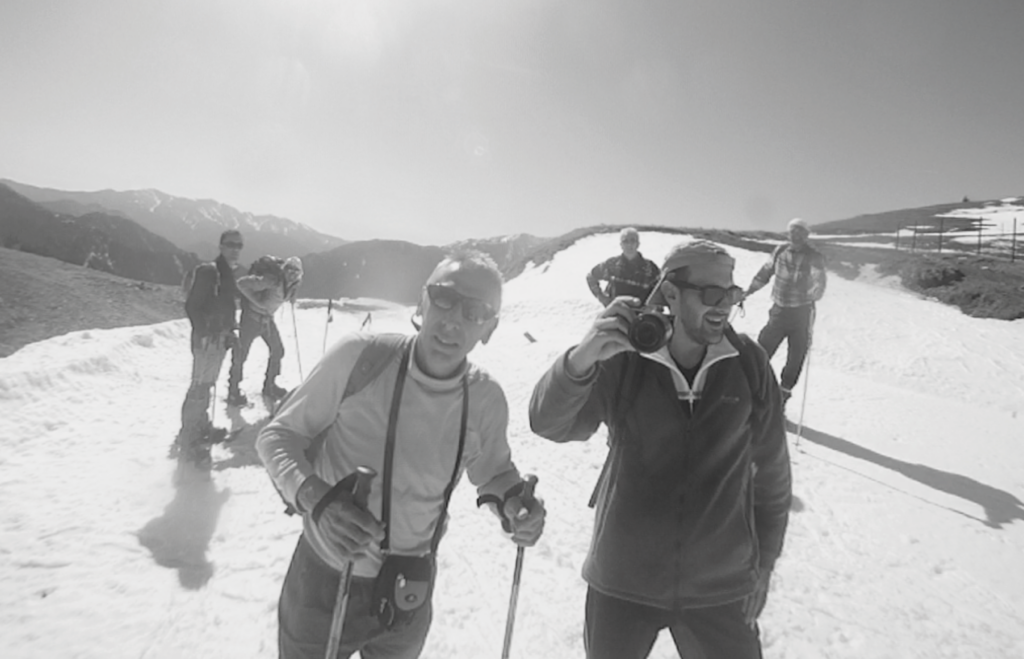
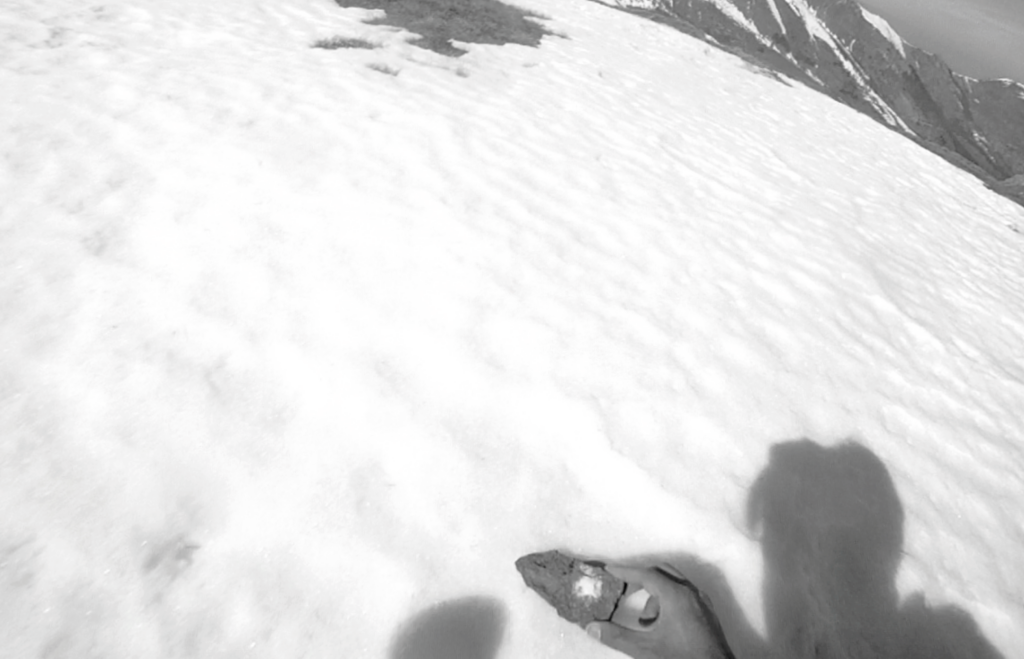
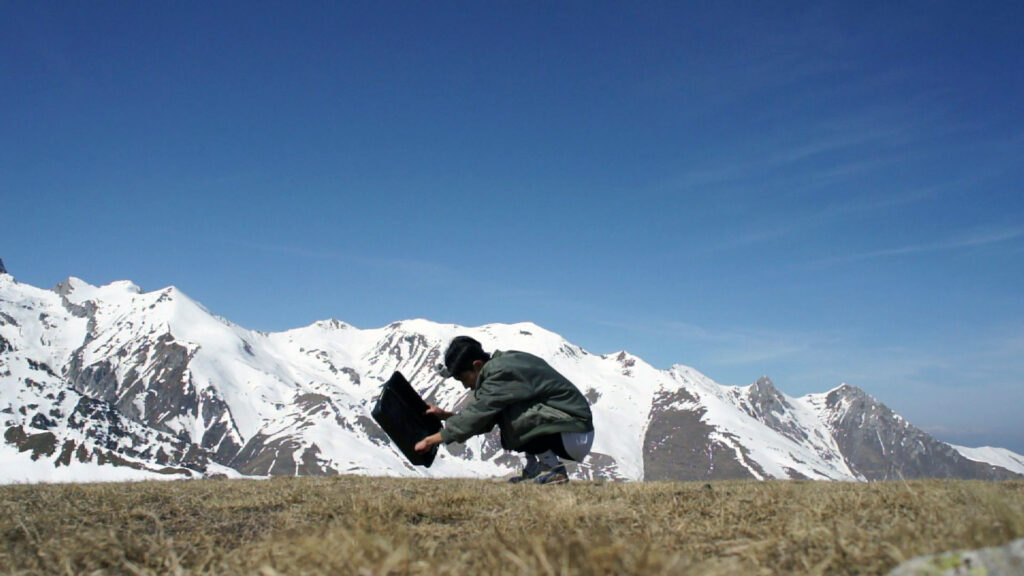
풍경을 옮기는 이 실험은 바닷물을 산 정상으로 옮기면서 증발로 남게되는 한 줌의 소금을 모아 작은 소금산 하나를 세워보자는 공상에서 시작되었다. 작가는 당시 그가 살고있던 프랑스 니스로부터 시작해 이탈리아 피에몽에 이르는 ‘소금길(route du sel)’을 발견한다. 중세시대에 건설된 이 상업 도로는 짐꾼과 당나귀의 노동을 통해 해안지역에서 산간지역까지 소금의 운반을 가능케 했다. 작가는 바다를 산으로 옮기기 위해 소금길의 일부를 따라 프랑스와 이탈리아의 국경인 Col de Tende까지 걷기로 한다. 3박 4일간의 여정을 기록한 책과 Academia Nissarda로부터 사용 승인을 받은 과거 소금길을 배경으로 제작된 동판화 이미지 두 점이 함께 놓인다.
This experiment in transposing landscapes began with a whimsical idea: to carry seawater to the top of a mountain and, through evaporation, gather a handful of salt—eventually forming a small salt mound. The artist, living in Nice, France at the time, discovered the historic Route du Sel (“Salt Road”) that stretches from Nice to Piémont, Italy. This medieval trade route once enabled the transport of salt from coastal areas to inland mountain regions, relying on the labor of porters and donkeys. To symbolically bring the sea to the mountains, the artist decided to walk a section of the Salt Road, from Nice to Col de Tende, a mountain pass on the French-Italian border. The journey, lasting four days and three nights, is documented in a book. Alongside the book, two copperplate prints—created using images of the historical Salt Road and officially approved for use by Academia Nissarda—are presented together as part of the work.